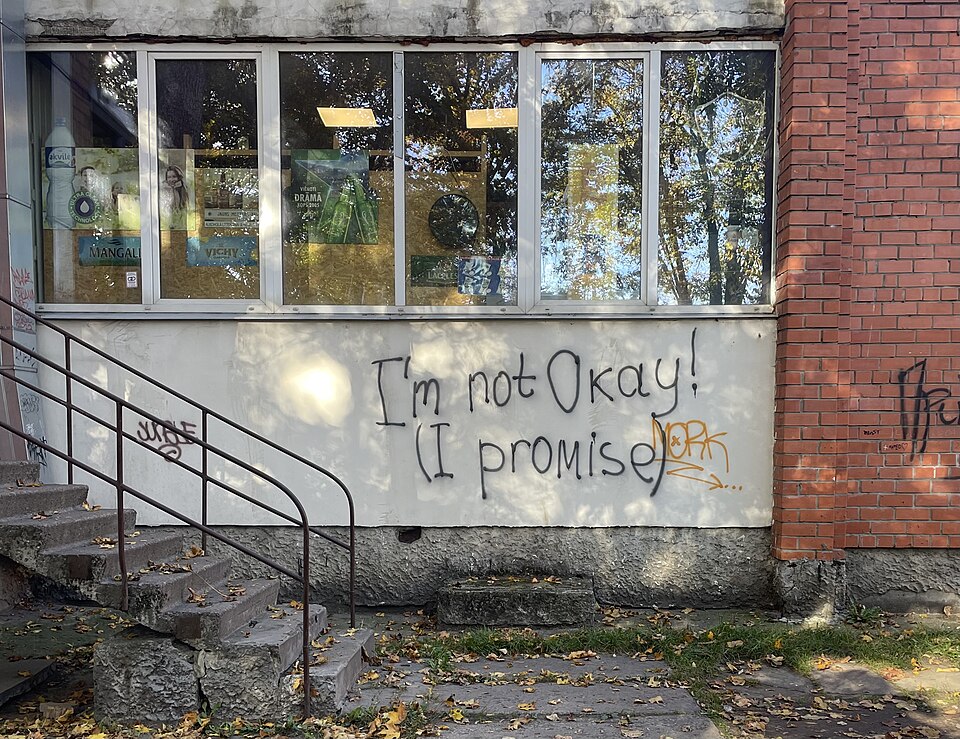
My family and I are known as “The Millers.” We a very Christian family who are seemingly “picture-perfect.” My dad’s name is Mark and he is an assistant pastor at our very large church. My mom’s name is Sarah and she runs a charity. My name is Ryley and I am 17, and my younger sister’s name is Chloe and she is 15. Chloe and I are… well, we are supposed to be the shining examples of Christian youth. Except, life isn’t always as perfect as it may seem.
It started subtly. Little cracks in the facade. Dad’s sermons about faith felt less inspiring, more… performative. Mom’s charity work, while admirable, seemed to be more about maintaining her image than actually helping people. Chloe, usually so bubbly, was withdrawing, spending hours in her room with headphones playing questionable music. And me? I was drowning in the pressure. Straight A’s, church youth group, volunteering – I felt like a robot programmed for piety. My internal monologue was a constant stream of “Should I be doing more? Am I good enough?”
Then the bomb dropped. Dad’s business, a seemingly successful construction firm, went bankrupt. Overnight, the Miller family went from comfortable middle-class to facing foreclosure. The perfectly manicured lawn became a symbol of of our crumbling world. Suddenly, the “perfect” Christian family was staring in the face of debt and uncertainty.
The initial reaction was… chaotic. Mom spiraled into anxiety, her faith seemingly wavering under the pressure. Dad, the pillar of strength, retreated into himself, his normally cheerful demeanor replaced with a grim silence. Chloe, already distant, became even more withdrawn, her music a deafening wall between her and the rest of the world. I, the supposed “good” kid, felt a simmering resentment. Why us? We did everything “right.” We followed the rules, went to church, volunteered– and still, disaster struck. It felt unfair. This wasn’t how it was supposed to go.
The church, ironically, became a source of both comfort and discomfort. Some were sympathetic, offering prayers and casseroles. Others, however, seemed to whisper behind their hands, their pity laced with judgement. It was a reminder that even within the church community, perfection was the unspoken expectation.
The turning point came unexpectedly. It wasn’t a divine revelation or a miraculous intervention, but a series of small, quiet moments. I started noticing my mom quietly praying in the garden, her usual control dissolved into vulnerability. I saw her genuine empathy while helping a struggling single mother, a woman she’d met at the food bank we were now relying on. Dad, forced to confront his own mortality and fallibility started having real, unguarded conversations with us.
Chloe also began to change. One evening, she hesitantly joined us in prayer. She started to volunteer at the food bank alongside us, her quiet interactions with the people we served revealing a surprising kindness. She admitted to feeling the weight of our families expectations, the suffocating pressure of being “perfect.” It turned out we were all broken in our own ways.
We weren’t magically healed overnight. The financial struggles persisted. The emotional scars remained. But something shifted within our family. The pressure to present a perfect Christian image lifted, replaced by a newfound honesty and vulnerability. We found grace not in avoiding hardship, but in facing it together, relying on each other, and finding comfort in the imperfect reality of our faith. Our prayers changed. They were less about demanding solutions and more about acknowledging our struggles and seeking strength through our trials. We learned that true faith isn’t about avoiding suffering but finding God’s grace amidst the chaos. We discovered that true Christian living wasn’t about perfection, but about love, forgiveness, and acceptance– of ourselves and each other.
This experience stripped away the superficial aspects of our faith, leaving behind a core of genuine connection and reliance on God’s unwavering presence, even in the darkness. It wasn’t the idyllic Christian life we’d imagined, but it was real, it was honest, and it was, ultimately, more profoundly fulfilling.