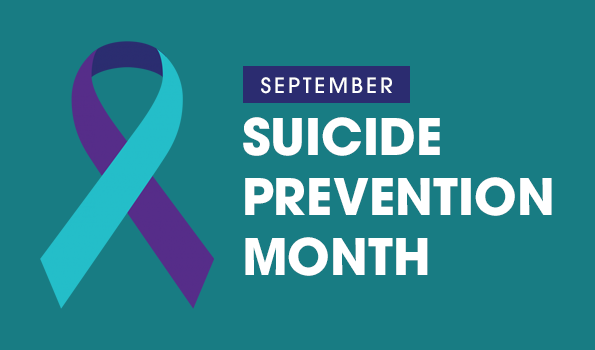
In the United States, about 49,000 people died to suicide last year. That is one death every 11 minutes– 1.5 million people attempt suicide, 3.7 million plan it, and 12.8 million people have suicidal thoughts. In the world, 727,000 people died by suicide, meaning it is the third leading cause of death in the world. We have turned the corner into September, which is famously known for being “suicide prevention month.” I think the majority of people, not only in the school but on Earth, don’t realize how important mental health is. A few years ago, I myself struggled with mental health. There was a point in my life when I questioned not only my purpose on Earth, but if it was even worth it. This is a real problem that shouldn’t just be addressed in just a month but all year.
Where does it come from?
Everywhere. The world is deceitfully evil, and so is our mind. Sixty percent of people who commit suicide have mood disorders, including depression, anxiety, bipolar disorder, etc. These things “weigh down” your brain, they make you feel worthless, and they make you feel like a burden. When you see yourself like this, miserable, you have a powerful urge to escape. It leaves you without hope, makes you feel like no one cares or loves you.
Twenty-seven percent of deaths come from home life, being abuse of any kind. This feeds suicide risk by creating pain, shame, heplessness, and isolation. It robs you of the sense that things can change. It leaves you trusting no one, makes you paranoid, and it leaves you living afraid of what might come to you. No person can live in fear like this, in shame.
People who take drugs or drink are 14x more likely to commit suicide. In 2023, one in fivepeople who committed suicide were found with an abundance of alcohol in their system. Drugs and alcohol literally rewire the brain, putting a brake on the prefrontal cortex. This part of the brain controls decision making, memory, attention, and impulse control. If you have the thought of suicide while sober, you may do it while under the influence because you lack rational thinking. Substances, when altering brain chemistry, can affect the serotonin and dopamine pathways and magnify hopelessness. Drugs and alcohol literally stop you from thinking and plant a seed of pain and hopelessness.
Who is at risk?
Everyone. People from good situations, people from bad. Rich people, young people, teachers, psychologists, construction workers, etc. It doesn’t matter. Suicide risk doesn’t show partiality- anyone can struggle with it. However, people who struggle with everything listed previously are at a greater risk. Those with mental health struggles, trauma and abuse survivors, substance users, those with chronic pain, those who are socially isolated, and especially those who attempted suicide previously.
It is okay to not be okay. Statistics show that 59% of the US has experienced or is experiencing mental health issues. One in eight people live with an actual mental disorder. Those are extremely high percentages. The numbers don’t lie: 70% of adults in the US experience trauma. About 50% of men and women experience psychological abuse in their lives; 558, 899 children were victims of abuse last year; 10 million men and women yearly are victims of domestic violence; 423,020 people aged 12+ experienced some sort of sexual violence last year in the U.S. 24% of adults experience social isolation.
It is okay to not be okay. Being human means to have limits,struggle, pain, sadness, and breakdowns are all part of being human. Being “not okay” doesn’t mean you’re broken, it means that you need care, rest, or healing. Jesus himself cried. God in the flesh experienced what we all go through and even he cried from it. Being “not okay” doesn’t define your worth. You can be valued, loved, and are full of potential; even when you feel worthless.
So what do we do?
Every situation is a little different, so I asked the psychology teacher, Mr. Woods, what to do. He answered by saying that it’s really simple, but no one wants to do it. The best thing you can do is reach out and get help. Since everything is different for each person, it’s too hard to give specific advice. Regardless, no matter what your situation is, talking to someone is the best way to attack this problem. If you question your worth, struggle with addiction, were abused, whatever it may be; it is not okay to go through it alone. Studies found that when someone goes to therapy after a suicide attempt, there was a 26 percent decrease in suicide rates after five years. In veterans, there was a sixty percent decrease in suicide attempts after only two years of talk therapy.
In my experience, when I struggled with my mental health, I met God. I read my Bible for the first time in Matthew, and reading through the Beatitudes (Matthew 5:2-12), I encountered true peace in Christ Jesus. “Blessed are the poor in spirit, for theirs is the kingdom of heaven.” I gave my life to Christ, and I felt a supernatural, tangible peace. The weight of my burdens physically left me when I gave my life to Christ. I came to Christ weary and burdened, and he gave me rest (Matt 11:28). I encourage you to come to Christ if you are in need of help. I can attest to that, as a man stuck in my tresspasses, I needed help. Everyone does. Christ Jesus gave his life for you in the greatest act of love and defeated death 3 days later. Christ changes lives.
If you don’t want to, please reach out to someone. Get the help you need and deserve.
![Senior Class Picnic at Peek'n Peak Resort '26 [a gallery]](https://casdbeavertales.org/wp-content/uploads/2026/06/att.B3Zhw8QBZvoJXE1_OBfI4exBFY912ytgLUCgyRSRoCY-1200x900.jpg)